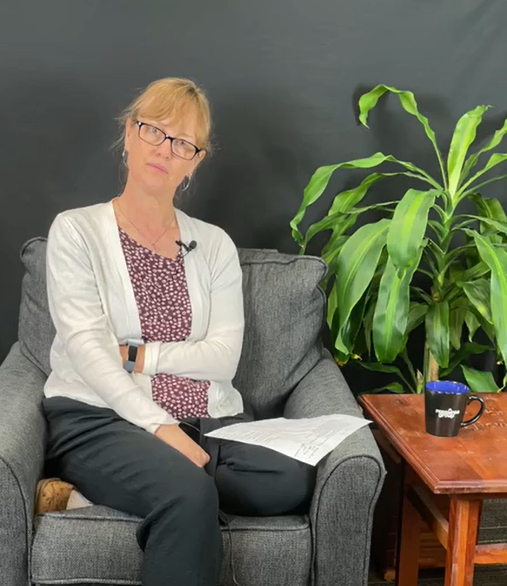
DBT was originally designed to help treat patients with suicidal thoughts and borderline personality disorder. As it’s grown in effectiveness and popularity, it has been adapted to treat a wide variety of mental health matters, especially ones that cause increased emotional distress such as anxiety and depression.

Similar Posts
Trans-Specific Care: The Importance of Gender Affirming Care
November is Transgender Awareness Month, and our therapists Denise Hansen, LCSW-C, and Marci Saltzman, LCSW-C, are here to help you navigate talking about pronouns, establishing boundaries, finding the right therapist, accessing healthcare resources, AND MORE!
How Do I Know If I’m Drinking Too Much?
Mark Whitaker, LCPC, covers how drinking has changed since the start of the COVID-19 pandemic, how to start a conversation about it, and what warning signs to be on the lookout for now that normal rules are out the window.
Self Care Strategies to Improve Mental Health
Trisha Chason, LGPC (she/her) is a Yoga Instructor, Health and Wellness Coach, and Psychotherapist at the Resource Group. In this live chat, Trisha answers your questions and shares self care strategies like mindfulness, sleep hygiene, and somatic practices.
How Does Dry January Fit Into My Life?
Sit down for a conversation between Jesire Bennett and Katie McCabe, LCPC, for the VERY FIRST EPISODE of No Stupid Questions. Jesire asks how people can get started on the path toward sobriety, the role relationships play in their journey . . . and even a few questions from the audience!
What Is Art Therapy?
Feeling stressed? That’s okay, about 3/4 of Americans are experiencing high stress right now. Sit down with Noel Phoebus, LGPC, to hear how they use art therapy to fight stress – and how you can too!
Managing Sobriety Through the Holidays
Make sure you’re taking care of yourself and your sobriety this holiday season. What does that mean? In Episode 2 of our new series, Of Substance, Elliott Driscoll, LCSW-C, and Katie McCabe, LCPC, break down some potential stressors, dangers, and bad influences you may come across at any holiday party . . . and what you can do to prevent a relapse.