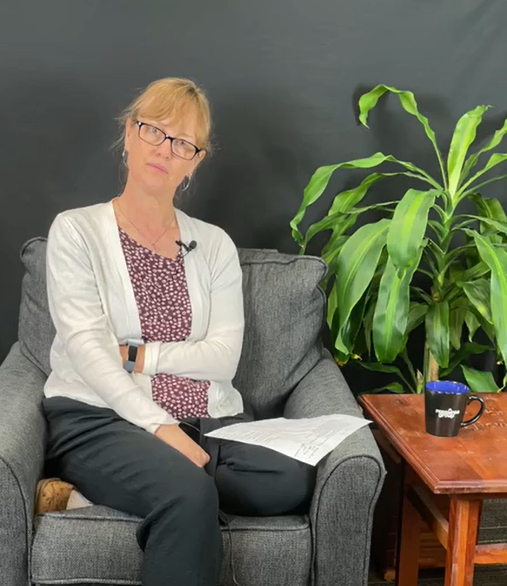
Trisha Chason, LGPC (she/her) is a Yoga Instructor, Health and Wellness Coach, and Psychotherapist at the Resource Group. In this live chat, Trisha answers your questions and shares self care strategies like mindfulness, sleep hygiene, and somatic practices.
Similar Posts
The Alcohol Epidemic
Addressing addiction, abuse, and the prevalence of alcohol in our society.
When Addiction Meets A Mental Illness
Where do substance use and mental illness meet? What looks like mental illness but gets more complicated on closer inspection? Elliott Driscoll, LCSW-C, and Katie McCabe, LCPC, go back inside the mind to talk about how addiction can get wrapped up in a tangle of neurons. Because for as complicated as recovery is, it might’ve met its match next to the brain!
Setting and Managing Your Own Boundaries
Boundaries are like opinions — we all have them. What is and isn’t okay? Who do they extend to? Clinical Director Maria Karolenko walks us through how to set them, when to set them, and how to communicate them to the people around us.
How to Cope with Election Anxiety
What, was there something stressful about the 2020 election? Take a deep breath and sit down with Elliott Driscoll, LCSW-C, for a discussion on how we can make it through a very divided time of year together . . . and maybe even with our mental health intact?
Warning Signs of Adolescent Substance Use
As kids become teens, there’s almost always likely to be some changes in how they act. But how do you tell the difference between “teens being teens” and when there’s something else there? Join Katie McCabe, LCPC, for a talk about adolescent substance use, what it looks like, and how to talk about it with your teen.
Inside the Mind of the College Athlete
After the many recent high-profile deaths among student athletes, Katie McCabe, LCPC, and Elliott Driscoll, LCSW-C, are sitting down to talk about the pressure to perform. Touching on their own athletic experiences, they look at the college experience, substance use and trauma, and accessing mental healthcare before you’re being carried off the field.