Mental health isn’t ageist – it impact people big and small.
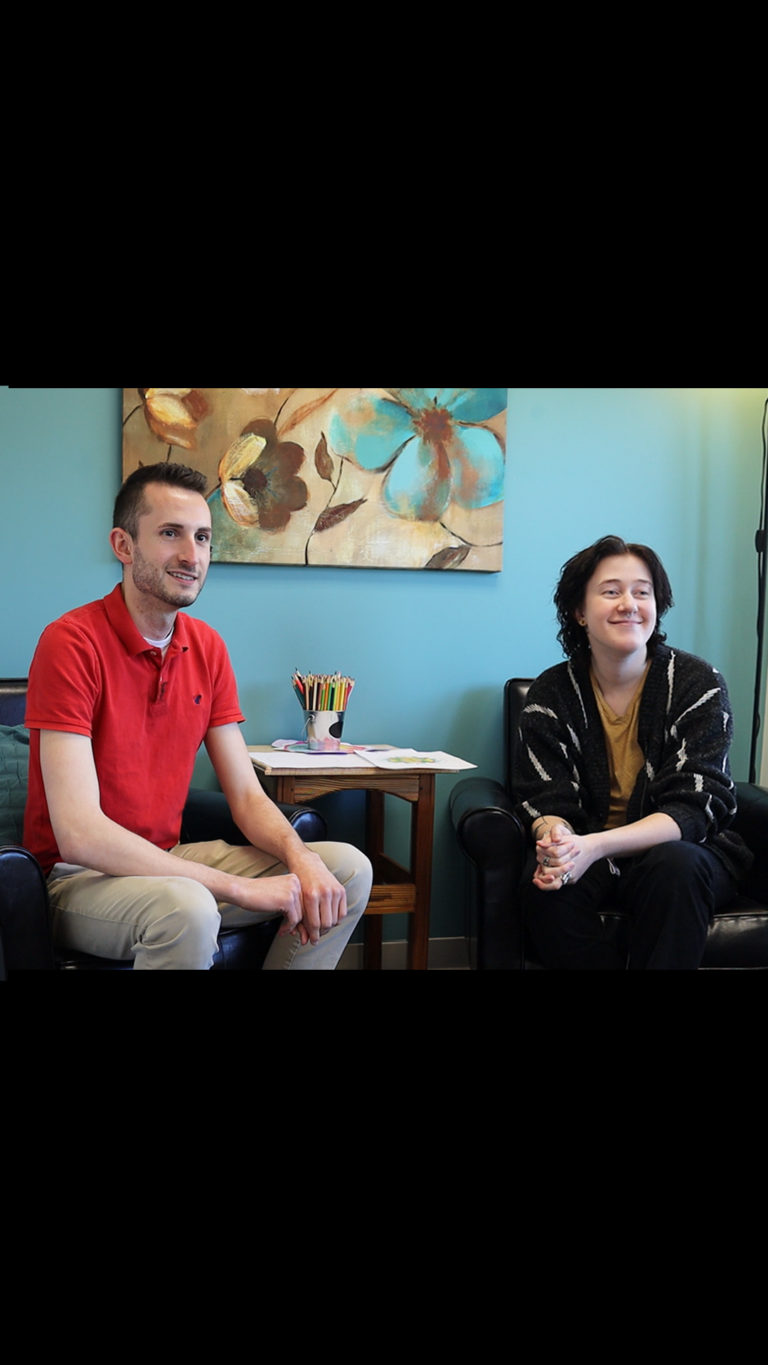
Shane Kelsey, LCPC, sits down to talk about what we can do as adults for our anxious kids. What does anxiety look like for them? How does our anxiety rub off on them? What does the best lifestyle look like for an anxious kid?

Similar Posts
When Addiction Meets A Mental Illness
Where do substance use and mental illness meet? What looks like mental illness but gets more complicated on closer inspection? Elliott Driscoll, LCSW-C, and Katie McCabe, LCPC, go back inside the mind to talk about how addiction can get wrapped up in a tangle of neurons. Because for as complicated as recovery is, it might’ve met its match next to the brain!
DBT: Is It Right For Me?
DBT was originally designed to help treat patients with suicidal thoughts and borderline personality disorder. As it’s grown in effectiveness and popularity, it has been adapted to treat a wide variety of mental health matters, especially ones that cause increased emotional distress such as anxiety and depression.
What Is Art Therapy?
Feeling stressed? That’s okay, about 3/4 of Americans are experiencing high stress right now. Sit down with Noel Phoebus, LGPC, to hear how they use art therapy to fight stress – and how you can too!
How Does the Body Heal After Addiction?
Join Katie McCabe, LCPC, and Resource Connect Clinical Director Marie Collins, LCPC, to learn more about what recovery looks like as you relearn how to fulfill some basic needs. From drug dreams to diet, Of Substance jumps into part two of three: healing the body after addiction.
Managing Sobriety Through the Holidays
Make sure you’re taking care of yourself and your sobriety this holiday season. What does that mean? In Episode 2 of our new series, Of Substance, Elliott Driscoll, LCSW-C, and Katie McCabe, LCPC, break down some potential stressors, dangers, and bad influences you may come across at any holiday party . . . and what you can do to prevent a relapse.
Surviving Panic Attacks
About 1 in 10 people will have a panic attack at some point. But how can they make it through? Therapist Gabi Daigle, LGPC, has got you covered!