If the brain is as complex as the universe, what does that look like with addiction? Star Wars?
Similar Posts
Prescription Stimulants and Student Life
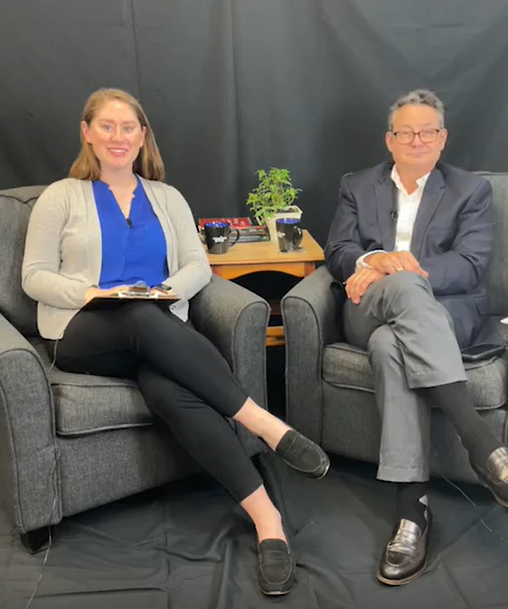
Prescription stimulants have a complex relationship with college campuses — especially as finals week looms large. Sit down with Katie McCabe, LCPC, and Sarah Cummings, ADT, for a look at how prescription drug abuse has made its way into student life and how you can confront it this semester!
How to Manage Your Test Anxiety
Raise your hand if you’ve spent hours studying for a test, only to sit down and feel your mind go blank. Resource Connect Addictions Counselor AJ Johnson, ADT, sits down to walk us through tips and tricks to help us finally test out of test anxiety!
Trans-Specific Care: The Importance of Gender Affirming Care
November is Transgender Awareness Month, and our therapists Denise Hansen, LCSW-C, and Marci Saltzman, LCSW-C, are here to help you navigate talking about pronouns, establishing boundaries, finding the right therapist, accessing healthcare resources, AND MORE!
The Alcohol Epidemic
Addressing addiction, abuse, and the prevalence of alcohol in our society.
What Is DBT . . . And How Can It Help Me?
We’ve got a DBT-rific episode for you this month!
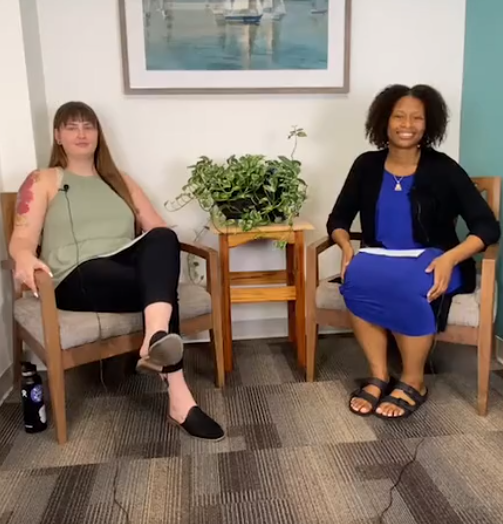
Join Jesire Bennett with DBT Coordinator Kat Skalski, LMSW, as she answers some questions about how DBT works – and if it may be right for you.
Surviving Panic Attacks
About 1 in 10 people will have a panic attack at some point. But how can they make it through? Therapist Gabi Daigle, LGPC, has got you covered!