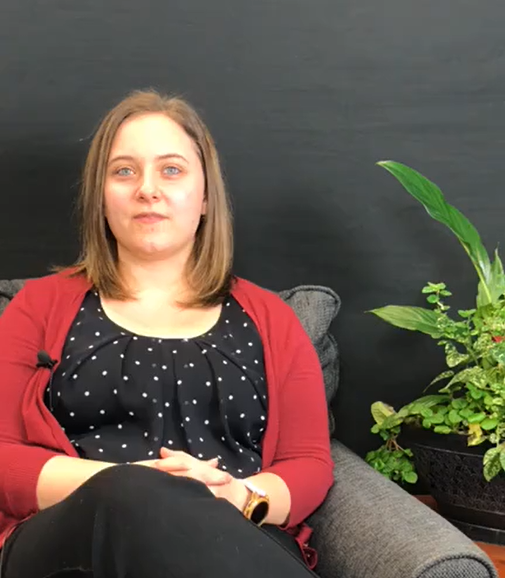
What is good stress vs bad stress? Where do they both come from? And when we’re constantly on the move, are they just necessary parts of life? Cryssy Andrews, LCPC, walks us through some ways we may be stressing ourselves out more than necessary and what we can do about it.
Similar Posts
How Does Dry January Fit Into My Life?
Sit down for a conversation between Jesire Bennett and Katie McCabe, LCPC, for the VERY FIRST EPISODE of No Stupid Questions. Jesire asks how people can get started on the path toward sobriety, the role relationships play in their journey . . . and even a few questions from the audience!
Indications You May Have A Problem With Alcohol
“I don’t have a problem.” Eh, if other people are calling it a problem… Check out the third installment in our Of Substance series to better identify what impact alcohol is having on your life. Elliott Driscoll, LCSW-C, and Katie McCabe, LCPC, talk about some tips, tricks, and stories they’ve heard to help you figure out: do I have a problem?
Self Care Strategies to Improve Mental Health
Trisha Chason, LGPC (she/her) is a Yoga Instructor, Health and Wellness Coach, and Psychotherapist at the Resource Group. In this live chat, Trisha answers your questions and shares self care strategies like mindfulness, sleep hygiene, and somatic practices.
Bullying’s Role In Addiction
October is National Bullying Prevention Month, so make sure you’re recognizing where bullying may be showing up in your life and the role it plays in your attitude around substance use. What are some healthier ways to cope? What’s the difference between peer pressure to drink and bullying that leads to drinking? Join Paris Bienert, LMSW, and Maria Karolenko, LCPC, to learn all about it!
Supporting Your Kids Through Their Struggles With Anxiety
Shane Kelsey, LCPC, sits down to talk about what we can do as adults for our anxious kids. What does anxiety look like for them? How does our anxiety rub off on them? What does the best lifestyle look like for an anxious kid?
Neurodivergence and the Complicated Ways Our Brains Work
What is it that makes some people neurodivergent and not others? Marketing Specialist Brian Warner turned to Maria Karolenko, LCPC, to answer that (and much, much more) in our newest episode of No Stupid Questions!