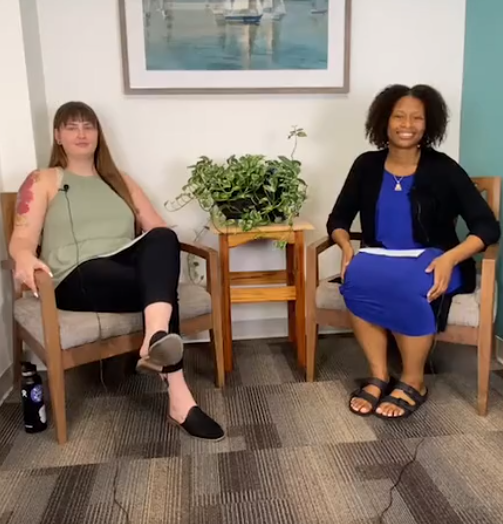
Racial trauma comes from places as big as government offices and as small as everyday interactions, and presents in many different ways. Dr. Whitney Hobson, PSYD, walks us through some of the ways we may be experiencing or contributing to it and the paths forward we can take.
Similar Posts
How to Cope with Election Anxiety
What, was there something stressful about the 2020 election? Take a deep breath and sit down with Elliott Driscoll, LCSW-C, for a discussion on how we can make it through a very divided time of year together . . . and maybe even with our mental health intact?
How Do I Know If I’m Drinking Too Much?
Mark Whitaker, LCPC, covers how drinking has changed since the start of the COVID-19 pandemic, how to start a conversation about it, and what warning signs to be on the lookout for now that normal rules are out the window.
Self Care Strategies to Improve Mental Health
Trisha Chason, LGPC (she/her) is a Yoga Instructor, Health and Wellness Coach, and Psychotherapist at the Resource Group. In this live chat, Trisha answers your questions and shares self care strategies like mindfulness, sleep hygiene, and somatic practices.
Indications You May Have A Problem With Alcohol
“I don’t have a problem.” Eh, if other people are calling it a problem… Check out the third installment in our Of Substance series to better identify what impact alcohol is having on your life. Elliott Driscoll, LCSW-C, and Katie McCabe, LCPC, talk about some tips, tricks, and stories they’ve heard to help you figure out: do I have a problem?
What Is DBT . . . And How Can It Help Me?
We’ve got a DBT-rific episode for you this month!
Join Jesire Bennett with DBT Coordinator Kat Skalski, LMSW, as she answers some questions about how DBT works – and if it may be right for you.
Warning Signs of Adolescent Substance Use
As kids become teens, there’s almost always likely to be some changes in how they act. But how do you tell the difference between “teens being teens” and when there’s something else there? Join Katie McCabe, LCPC, for a talk about adolescent substance use, what it looks like, and how to talk about it with your teen.