Addressing addiction, abuse, and the prevalence of alcohol in our society.
Similar Posts
Prescription Stimulants and Student Life
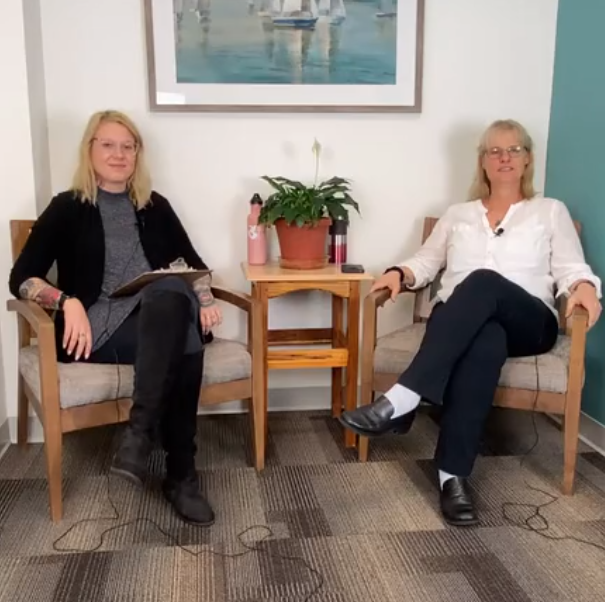
Prescription stimulants have a complex relationship with college campuses — especially as finals week looms large. Sit down with Katie McCabe, LCPC, and Sarah Cummings, ADT, for a look at how prescription drug abuse has made its way into student life and how you can confront it this semester!
How to Manage Your Test Anxiety
Raise your hand if you’ve spent hours studying for a test, only to sit down and feel your mind go blank. Resource Connect Addictions Counselor AJ Johnson, ADT, sits down to walk us through tips and tricks to help us finally test out of test anxiety!
When Addiction Meets A Mental Illness
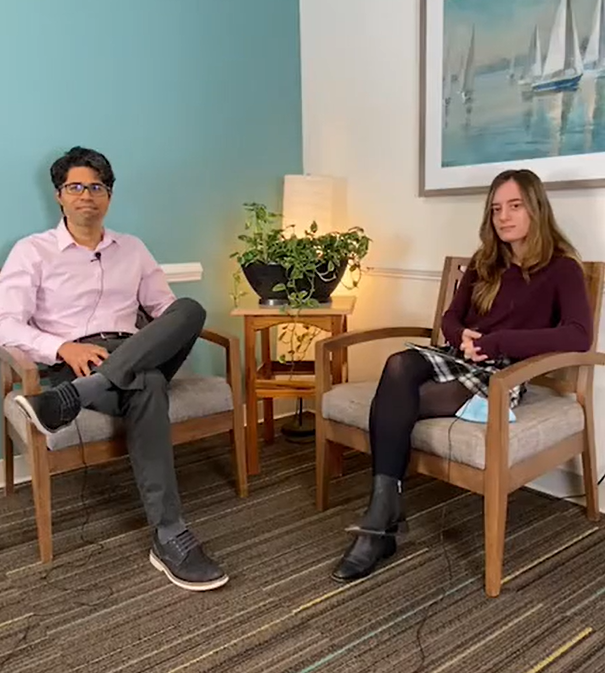
Where do substance use and mental illness meet? What looks like mental illness but gets more complicated on closer inspection? Elliott Driscoll, LCSW-C, and Katie McCabe, LCPC, go back inside the mind to talk about how addiction can get wrapped up in a tangle of neurons. Because for as complicated as recovery is, it might’ve met its match next to the brain!
Sleep On the Mind
If you’re like us, you’re still catching up on the hour of sleep lost in Daylight Saving Time. But it’s not that big of a deal . . . right?
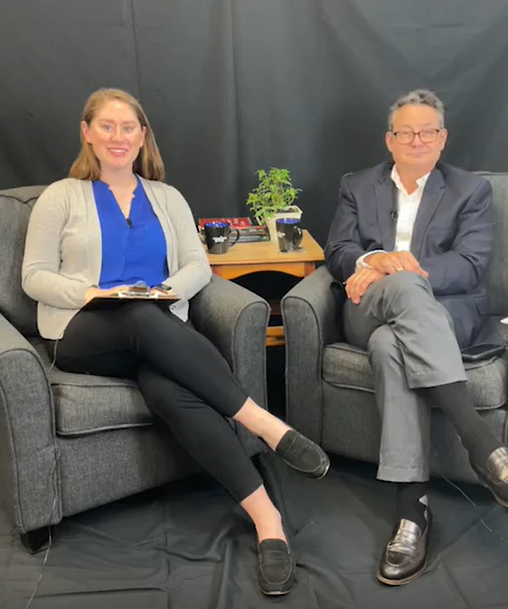
Sit down for a chat with Mark Whitaker, LCPC, and Olivia Sinicropi as they discuss the ways sleep impacts our lives and our health. Conversations include alcohol, cell phone addiction, parenting, AND MORE!
What Is Art Therapy?
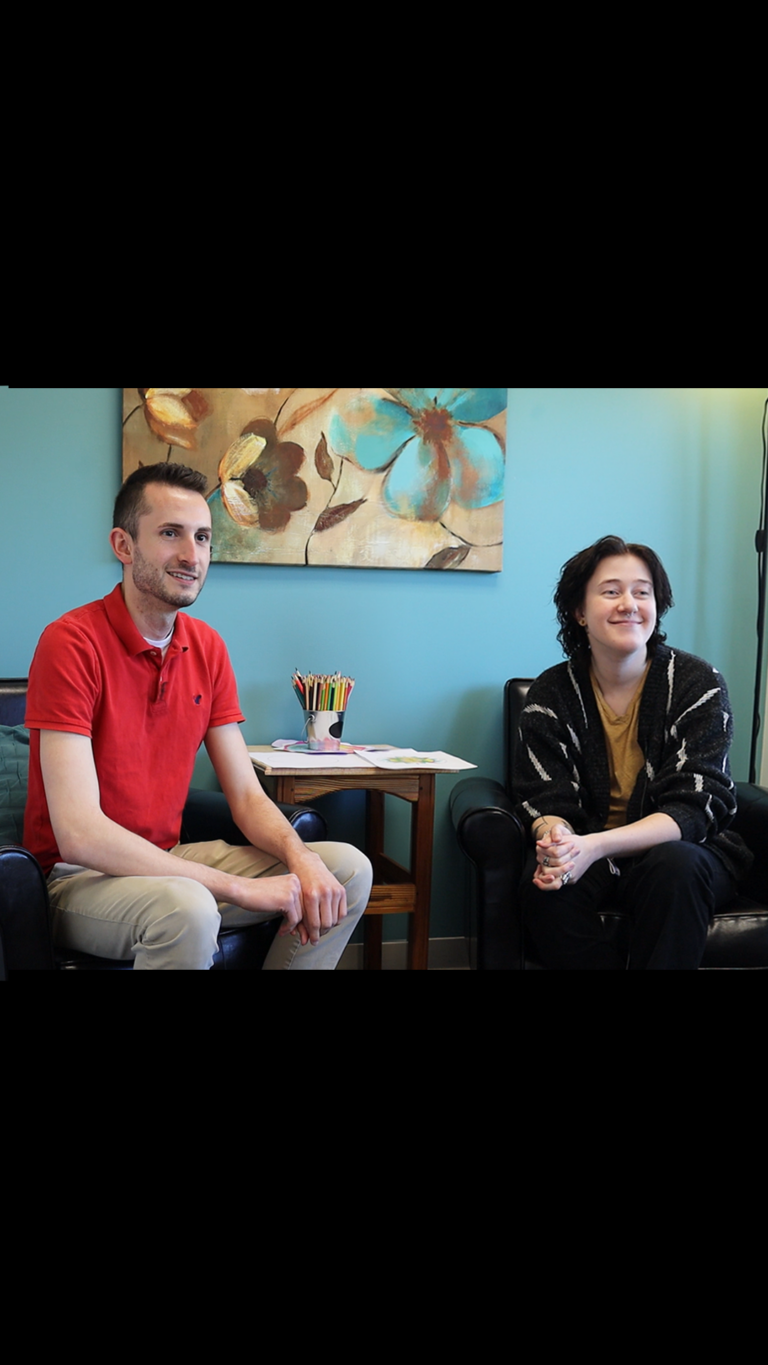
Feeling stressed? That’s okay, about 3/4 of Americans are experiencing high stress right now. Sit down with Noel Phoebus, LGPC, to hear how they use art therapy to fight stress – and how you can too!
Surviving Panic Attacks
About 1 in 10 people will have a panic attack at some point. But how can they make it through? Therapist Gabi Daigle, LGPC, has got you covered!