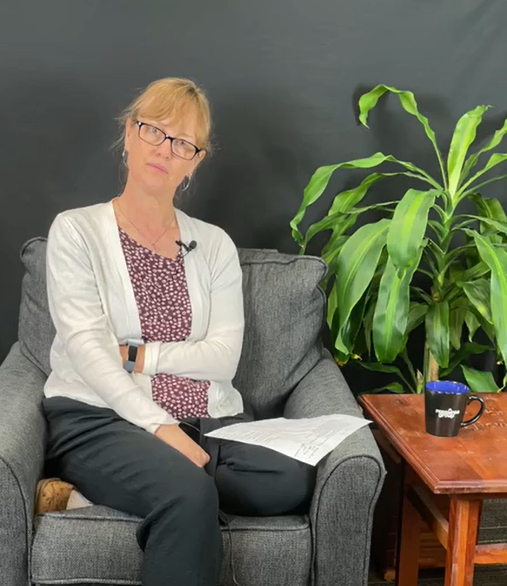
EMDR: What is it?
Eye Movement Desensitization and Reprocessing (EMDR) therapy might not sound familiar, but its benefits are things we can all get behind. Sit down with Elliott Driscoll, LCSW-C, to learn about how this mouthful of a treatment can help people find their power over grief, abuse, and trauma.
Similar Posts
When Addiction Meets A Mental Illness
Where do substance use and mental illness meet? What looks like mental illness but gets more complicated on closer inspection? Elliott Driscoll, LCSW-C, and Katie McCabe, LCPC, go back inside the mind to talk about how addiction can get wrapped up in a tangle of neurons. Because for as complicated as recovery is, it might’ve met its match next to the brain!
Men & Mental Health
For National Men’s Health Week, our clinicians Mark Whitaker, LCPC and Elliott Driscoll, LCSW-C sit down to discuss the unique mental health challenges that millions of men face every day.
The Alcohol Epidemic
Addressing addiction, abuse, and the prevalence of alcohol in our society.
Prescription Stimulants and Student Life
Prescription stimulants have a complex relationship with college campuses — especially as finals week looms large. Sit down with Katie McCabe, LCPC, and Sarah Cummings, ADT, for a look at how prescription drug abuse has made its way into student life and how you can confront it this semester!
Neurodivergence and the Complicated Ways Our Brains Work
What is it that makes some people neurodivergent and not others? Marketing Specialist Brian Warner turned to Maria Karolenko, LCPC, to answer that (and much, much more) in our newest episode of No Stupid Questions!
Self Care Strategies to Improve Mental Health
Trisha Chason, LGPC (she/her) is a Yoga Instructor, Health and Wellness Coach, and Psychotherapist at the Resource Group. In this live chat, Trisha answers your questions and shares self care strategies like mindfulness, sleep hygiene, and somatic practices.