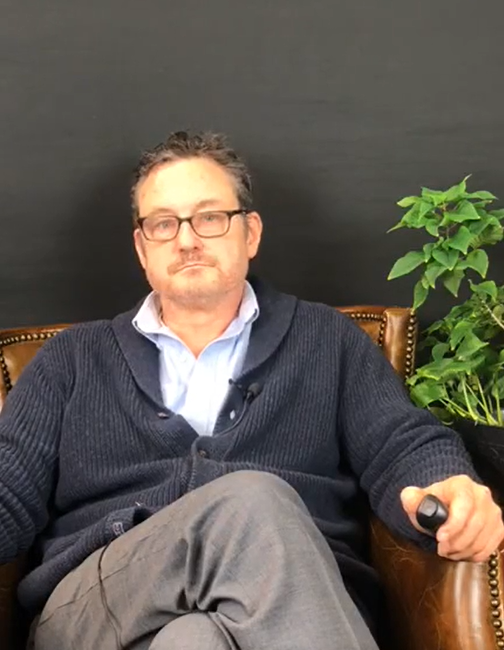
Boundaries are like opinions — we all have them. What is and isn’t okay? Who do they extend to? Clinical Director Maria Karolenko walks us through how to set them, when to set them, and how to communicate them to the people around us.

Similar Posts
EMDR: What Is It?
Eye Movement Desensitization and Reprocessing (EMDR) therapy might not sound familiar, but its benefits are things we can all get behind. Sit down with Elliott Driscoll, LCSW-C, to learn about how this mouthful of a treatment can help people find their power over grief, abuse, and trauma.
DBT: Is It Right For Me?
DBT was originally designed to help treat patients with suicidal thoughts and borderline personality disorder. As it’s grown in effectiveness and popularity, it has been adapted to treat a wide variety of mental health matters, especially ones that cause increased emotional distress such as anxiety and depression.
How Does the Body Heal After Addiction?
Join Katie McCabe, LCPC, and Resource Connect Clinical Director Marie Collins, LCPC, to learn more about what recovery looks like as you relearn how to fulfill some basic needs. From drug dreams to diet, Of Substance jumps into part two of three: healing the body after addiction.
How to Cope with Election Anxiety
What, was there something stressful about the 2020 election? Take a deep breath and sit down with Elliott Driscoll, LCSW-C, for a discussion on how we can make it through a very divided time of year together . . . and maybe even with our mental health intact?
Warning Signs of Adolescent Substance Use
As kids become teens, there’s almost always likely to be some changes in how they act. But how do you tell the difference between “teens being teens” and when there’s something else there? Join Katie McCabe, LCPC, for a talk about adolescent substance use, what it looks like, and how to talk about it with your teen.
Surviving Panic Attacks
About 1 in 10 people will have a panic attack at some point. But how can they make it through? Therapist Gabi Daigle, LGPC, has got you covered!