No Stupid Questions: Episode 6
We’ve got a DBT-rific episode for you this month!
Join Jesire Bennett with DBT Coordinator Kat Skalski, LMSW, as she answers some questions about how DBT works – and if it may be right for you.

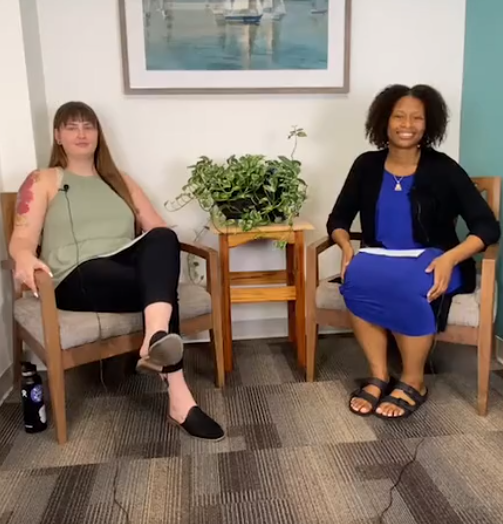
We’ve got a DBT-rific episode for you this month!
Join Jesire Bennett with DBT Coordinator Kat Skalski, LMSW, as she answers some questions about how DBT works – and if it may be right for you.

As kids become teens, there’s almost always likely to be some changes in how they act. But how do you tell the difference between “teens being teens” and when there’s something else there? Join Katie McCabe, LCPC, for a talk about adolescent substance use, what it looks like, and how to talk about it with your teen.

Where do substance use and mental illness meet? What looks like mental illness but gets more complicated on closer inspection? Elliott Driscoll, LCSW-C, and Katie McCabe, LCPC, go back inside the mind to talk about how addiction can get wrapped up in a tangle of neurons. Because for as complicated as recovery is, it might’ve met its match next to the brain!
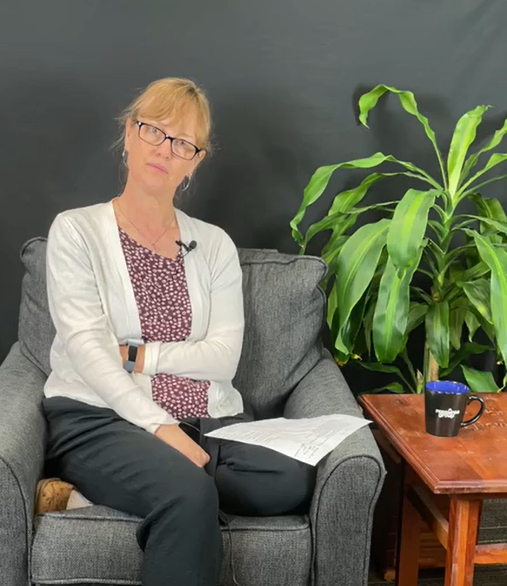
Trisha Chason, LGPC (she/her) is a Yoga Instructor, Health and Wellness Coach, and Psychotherapist at the Resource Group. In this live chat, Trisha answers your questions and shares self care strategies like mindfulness, sleep hygiene, and somatic practices.

Sit down for a conversation between Jesire Bennett and Katie McCabe, LCPC, for the VERY FIRST EPISODE of No Stupid Questions. Jesire asks how people can get started on the path toward sobriety, the role relationships play in their journey . . . and even a few questions from the audience!
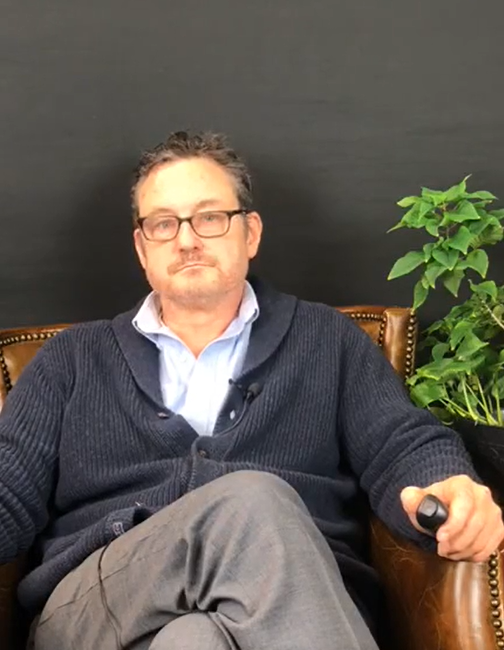
Eye Movement Desensitization and Reprocessing (EMDR) therapy might not sound familiar, but its benefits are things we can all get behind. Sit down with Elliott Driscoll, LCSW-C, to learn about how this mouthful of a treatment can help people find their power over grief, abuse, and trauma.
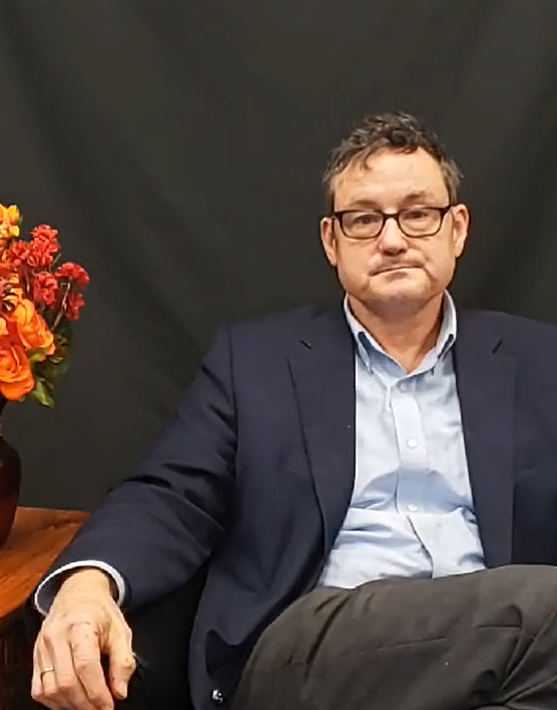
What, was there something stressful about the 2020 election? Take a deep breath and sit down with Elliott Driscoll, LCSW-C, for a discussion on how we can make it through a very divided time of year together . . . and maybe even with our mental health intact?